The first time I returned to Cuba as an adult, I was already in my forties. I left my older relatives sitting in the plaza by the Cathedral, snacking and chatting, and I wandered off alone through the center of Havana.
That day I walked for eight hours, until my feet were swollen. I felt like a person who had been thirsty for decades and suddenlycould not drink enough in.
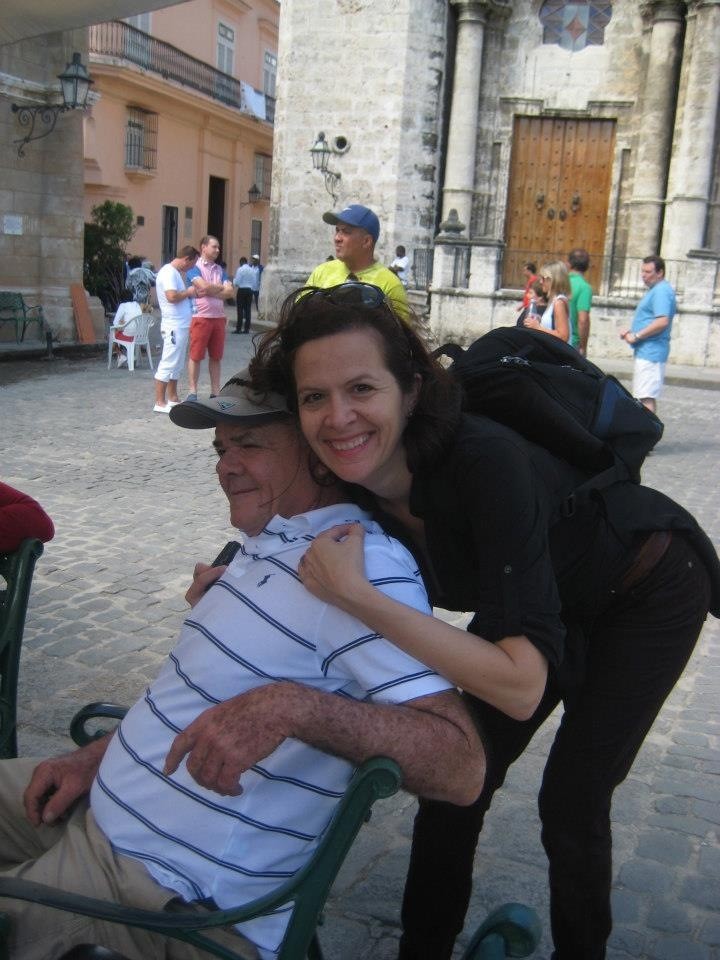
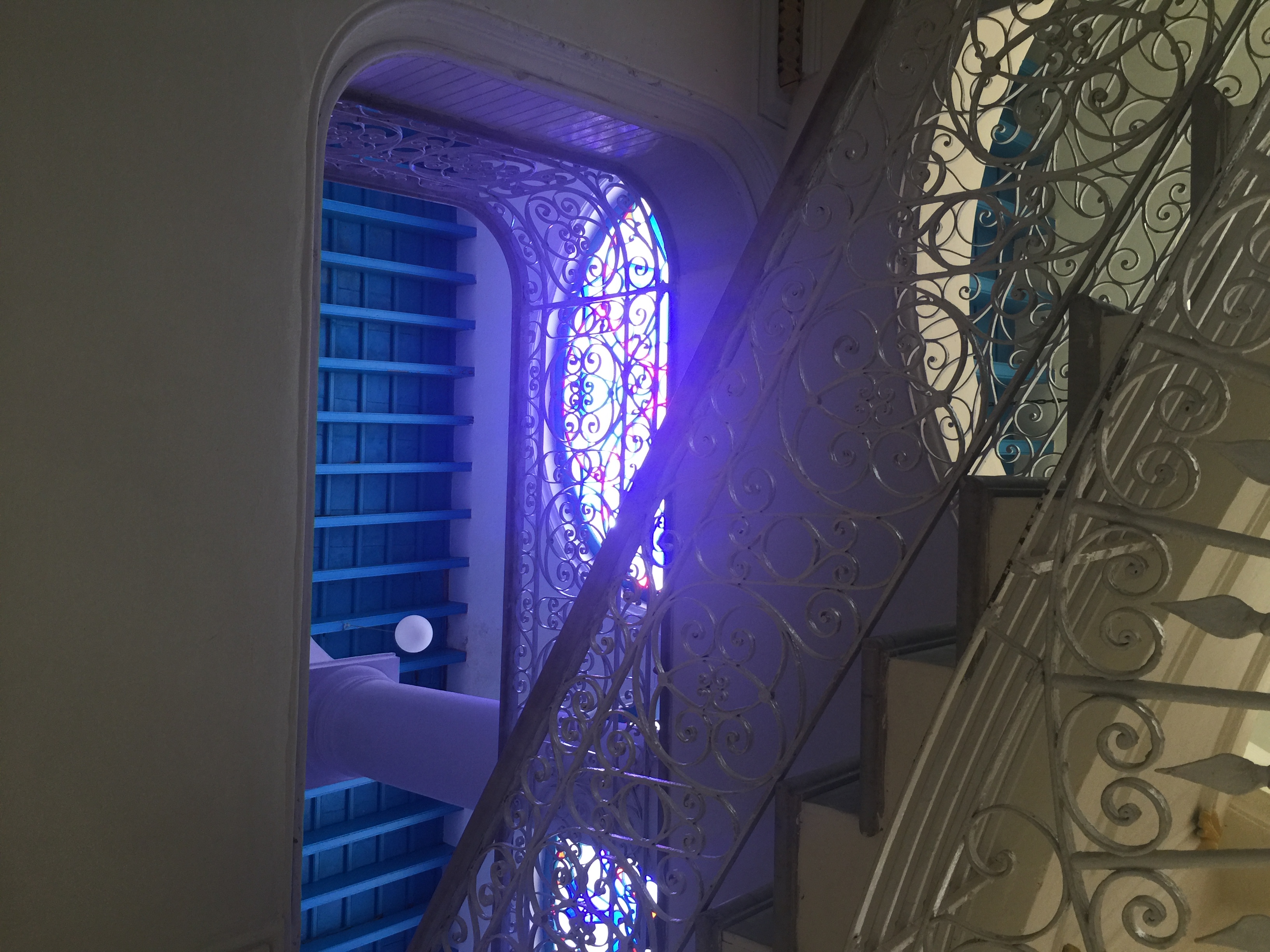
Among all the marvels I saw, one thing left a profound mark: the color. Not only the painted architecture, but the vitrales.
I wondered what it would have been like, as a creative person, to grow up among them. As a student at Cornell, I was once reprimanded for using color too expressively and admonished that, in modern architecture, one had to be very circumspect. Maybe the occasional use of red, but only for emphasis. I had chosen Cornell because it was known as “Corb Academy,” and I was looking for a modern-day Bauhaus. But I have often thought that some of my professors missed the point of Le Corbusier, especially the later Le Corbusier, who very much infused his architecture with color.
Those stairways, the inky blues, the amber light, and the rich sprinkles of crimson left an indelible memory. There was something so Cuban about them. So rich, so beautiful, so unexpected within otherwise austere Spanish blocks of stone. The lace of the woodwork. The drenched color. The color.
It moved me deeply.
At the time, we were working on a house for Mika Penniman in Miami Beach, a restoration of a Moorish Revival house. He had expressed an interest in Cuban architecture, and we researched the house of Catalina Lasa and the wealthy Creole Juan de Pedro Baró, who was a patron of Lalique. The amethyst stained-glass windows in that house and in Catalina Lasa’s beautiful white Art Deco tomb were exquisite. It was such a beautiful moment: the arts dé coratifs arriving in Cuba and being transformed.
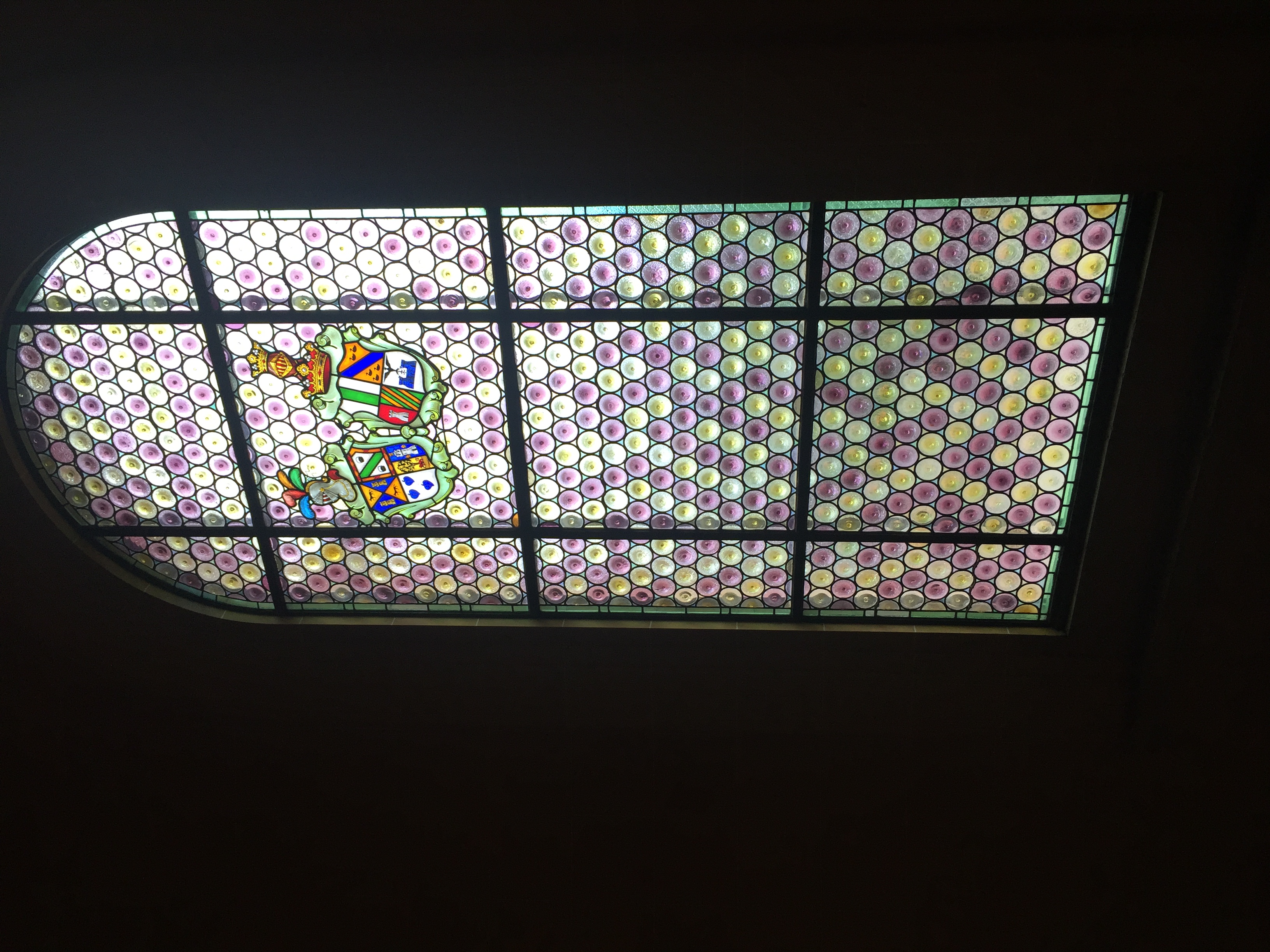
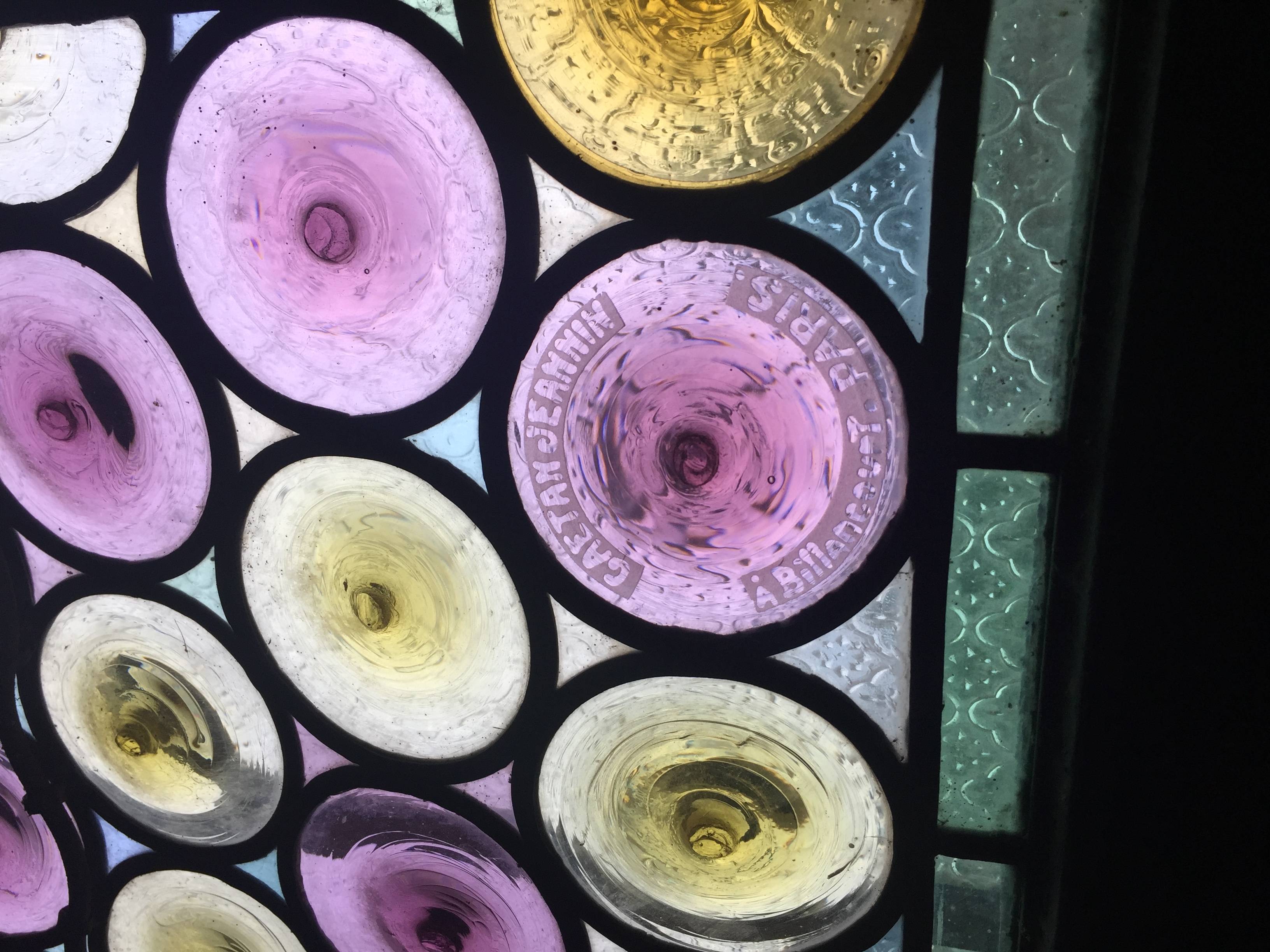
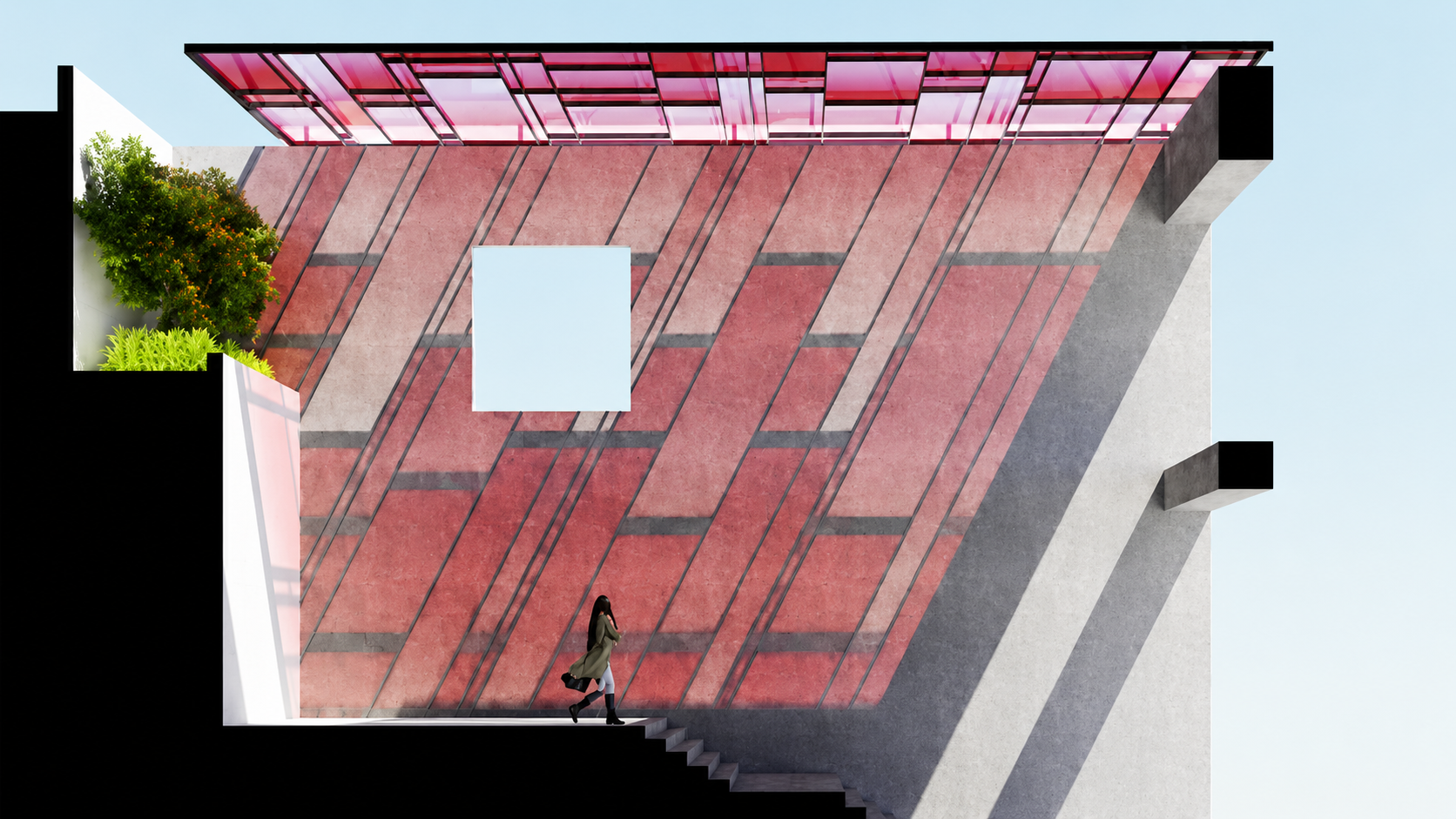
When I came back to Miami, we were also working on a project in Wynwood with a stair that rose up to the roof. Almost immediately, I wanted to try a stair infused with color.
That is how the Pink Stair was born.
It was more than another nod to murals or street art. It was a cultural memory transplanted to Miami. Another attempt to connect dots across time, exile, and place. Another attempt to reconnect with what has been lost.
.webp)
.jpeg)